
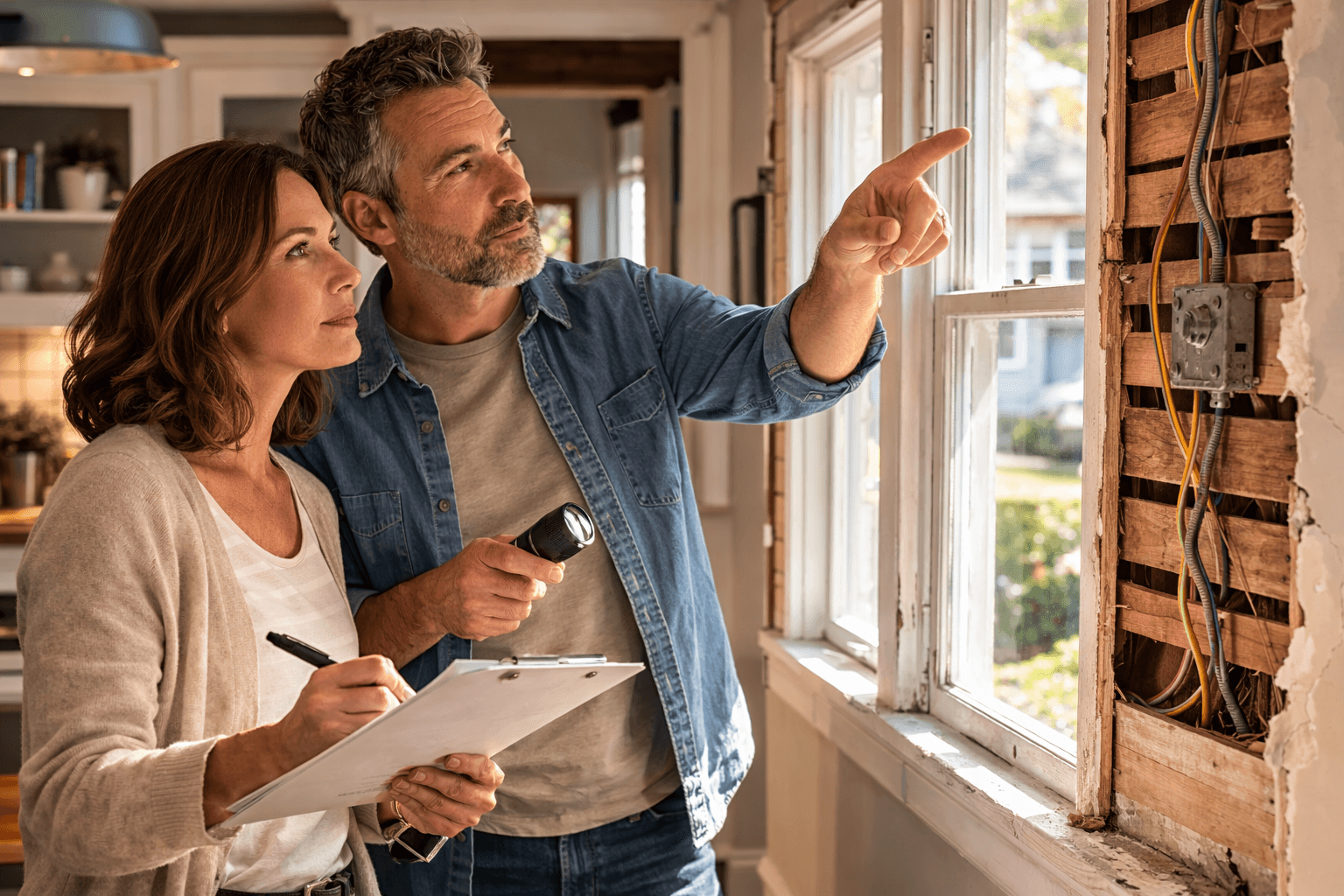
Homes built before 1978 deserve extra attention because residential lead-based paint remained common before that federal phaseout year.
Materials used before the 1980s are more likely to raise asbestos questions during inspections, renovations, or repairs.
- Pre-1978 homes deserve a different due-diligence mindset because material risks are built into the era
- Lead paint and asbestos questions should be treated as screening priorities, not afterthoughts
- Older-home charm often comes bundled with higher verification needs across systems and records
Age changes the questions you need to ask
An older home is not just a newer home with more charm. Different construction eras bring different materials, maintenance patterns, and repair risks.
That is why buyers need a more specialized due diligence approach when the home predates 1978.
A pre-1978 home may still be a great purchase, but the buyer should assume the file needs more verification, not less. Older houses reward curiosity and punish casual assumptions.
The biggest risk categories for older homes
Older-home due diligence should look at both health-related concerns and ownership-cost concerns. Buyers need to understand what might require testing, updating, or near-term replacement.
The key is to think in layers. Some risks affect health and safety. Others affect budget, insurability, renovation plans, or how confident you can feel about undocumented work done across decades.
- Lead paint and asbestos risk tied to era
- Aging systems and major maintenance catch-up
- Permit gaps around additions or updates over decades
- Environmental or climate exposure that compounds age-related wear
Why old-house charm can hide expensive ambiguity
Buyers often expect some quirks in older homes and mentally file them under character. The real issue is not cosmetic imperfection. It is uncertainty around what has been updated, what was deferred, and what may still require testing, repair, or documentation after closing.
That ambiguity becomes especially expensive when buyers discover it only after inspections, contractor opinions, or insurance questions are already underway.
Why old-house due diligence should start before inspection
The inspection is still valuable, but older homes benefit from earlier screening because buyers can set better expectations before they invest more time and money. EstateScreener helps organize that first layer of reality-checking.
Starting earlier also helps buyers decide which specialist follow-up might actually matter. A general inspection may identify symptoms, but age-related material risk, older permits, and structural wear often deserve a more intentional review plan.
What buyers should be ready to verify or budget for
The best older-home buyers are not necessarily the most fearless. They are the most prepared. They understand which issues are acceptable tradeoffs and which ones would meaningfully change comfort, timing, or cost after closing.
That is why older-home due diligence should connect records, material risk, major systems, and ownership-cost reality into one decision. The home may still be worth it, but only if the buyer understands what they are really taking on.
Questions to ask before pursuing an older home
- Which age-related material risks should be tested or verified?
- Do the permits and upgrade history make sense for a home this old?
- What systems may need major updates soon after purchase?
- Does the location add risk on top of the home's age?
Use EstateScreener before or alongside inspection.
Uncover property history, hidden hazards, ownership cost clues, and seller follow-up questions sooner so your next decision is based on evidence, not momentum.