
EPA says radon is the second leading cause of lung cancer in the United States.
Environmental hazards rarely announce themselves during a tour
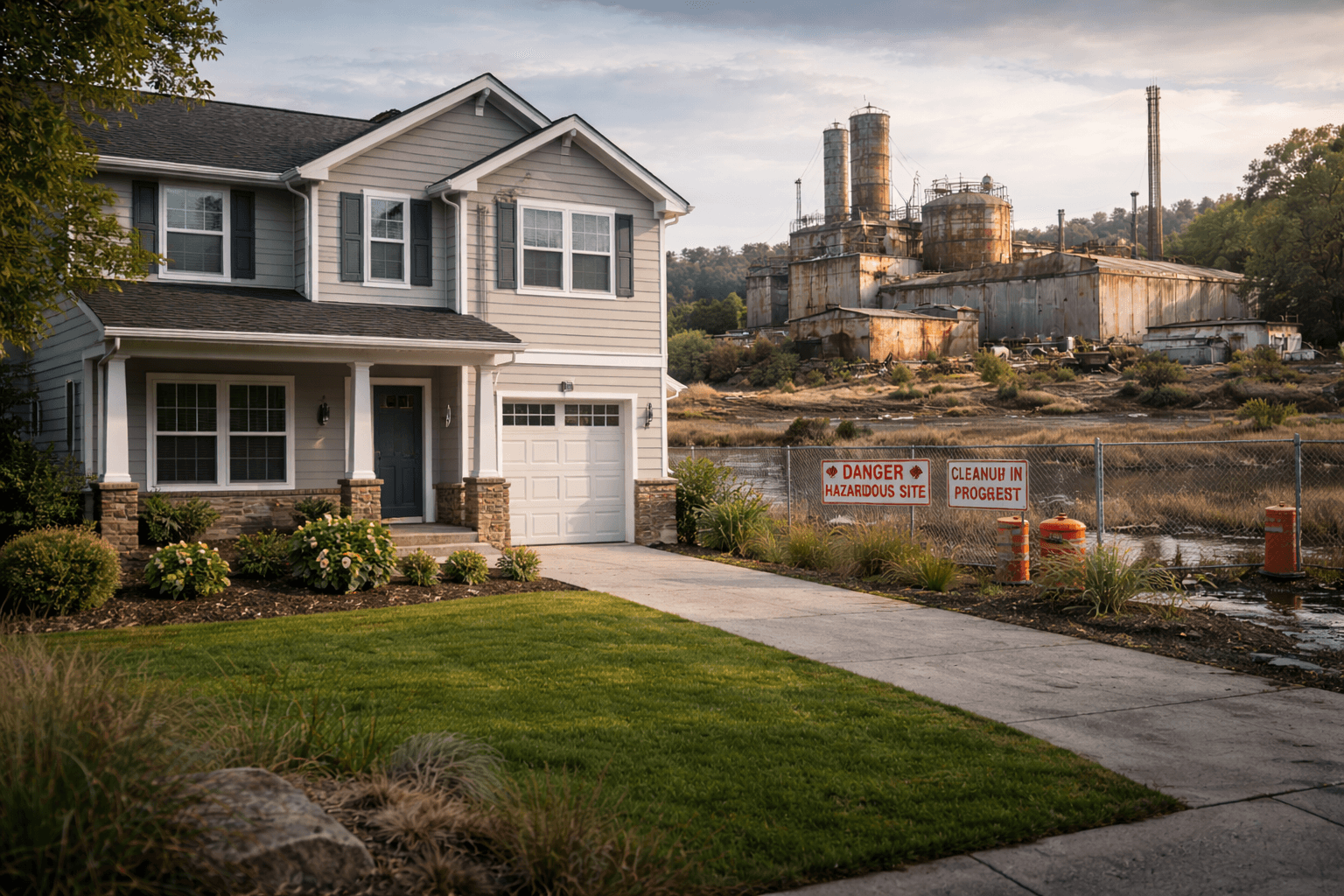
A bright, well-staged home can still sit near contamination concerns or carry health-related risks tied to age, geography, and local infrastructure. These are not issues most buyers can detect on their own.
That is why environmental screening belongs inside a modern home buying checklist. The cost of learning too late can include mitigation work, stress, and reduced resale confidence.
Older homes often need a different risk lens
Age alone does not make a property a bad purchase, but it does change the hazard conversation. Lead paint, asbestos-containing materials, and aging systems deserve more scrutiny when you are buying an older home.
EstateScreener helps buyers connect that age-related context with local environmental data so they know which issues deserve specialized follow-up.
- Radon risk that may justify testing before closing
- PFAS or contamination indicators that change water-quality questions
- Lead and asbestos risk tied to construction era
The Minneapolis sample shows how stacked risk changes buyer behavior
The Minneapolis report surfaces elevated radon risk, nearby Superfund context, and older-home hazard factors in a way that feels actionable instead of abstract.
That matters because buyers can move from vague worry to a specific follow-up plan: request tests, review mitigation history, and adjust negotiations around the true cost of ownership.
Data first leads to better inspection and testing decisions
Not every home needs the same follow-up. A buyer who knows where the biggest environmental questions are can decide whether to order radon testing, water testing, contractor review, or additional documentation.
EstateScreener helps you spend that next round of due diligence on the right questions instead of hoping a generic process covers everything.
What to verify next
- Has the property ever been tested for radon, water quality, lead, or asbestos?
- Were any remediation systems installed, and are records available?
- Are there nearby contamination, Superfund, or drinking water concerns that require more review?
- Should specialized testing be added to the inspection period for this address?
Frequently asked questions
Are environmental hazards always deal-breakers?
No. Many can be managed, but buyers need to know about them early enough to price the risk correctly and order the right follow-up.
Why not wait for the inspection period?
Because hazard context helps you decide whether the home is worth deeper due diligence in the first place and which specialized tests to order.
What does EstateScreener reveal that a listing usually will not?
It brings together public records and hazard signals such as radon, PFAS, contamination proximity, and age-related material concerns that are easy to miss during a normal home search.
5128 Irving Avenue South, Minneapolis, MN
Our Minneapolis sample report is a strong example because it layers radon concerns, nearby contamination, older-home material risks, and permit follow-up in one view.

Browse a Minneapolis example to see how EstateScreener combines ownership history, environmental checks, and cost estimates before purchase.
- Elevated radon risk that should trigger testing during due diligence
- Nearby contamination and Superfund context that changes the comfort level
- Lead and asbestos risk because the home predates safer material eras
Use EstateScreener before or alongside inspection.
Uncover property history, hidden hazards, ownership cost clues, and seller follow-up questions sooner so your next decision is based on evidence, not momentum.