
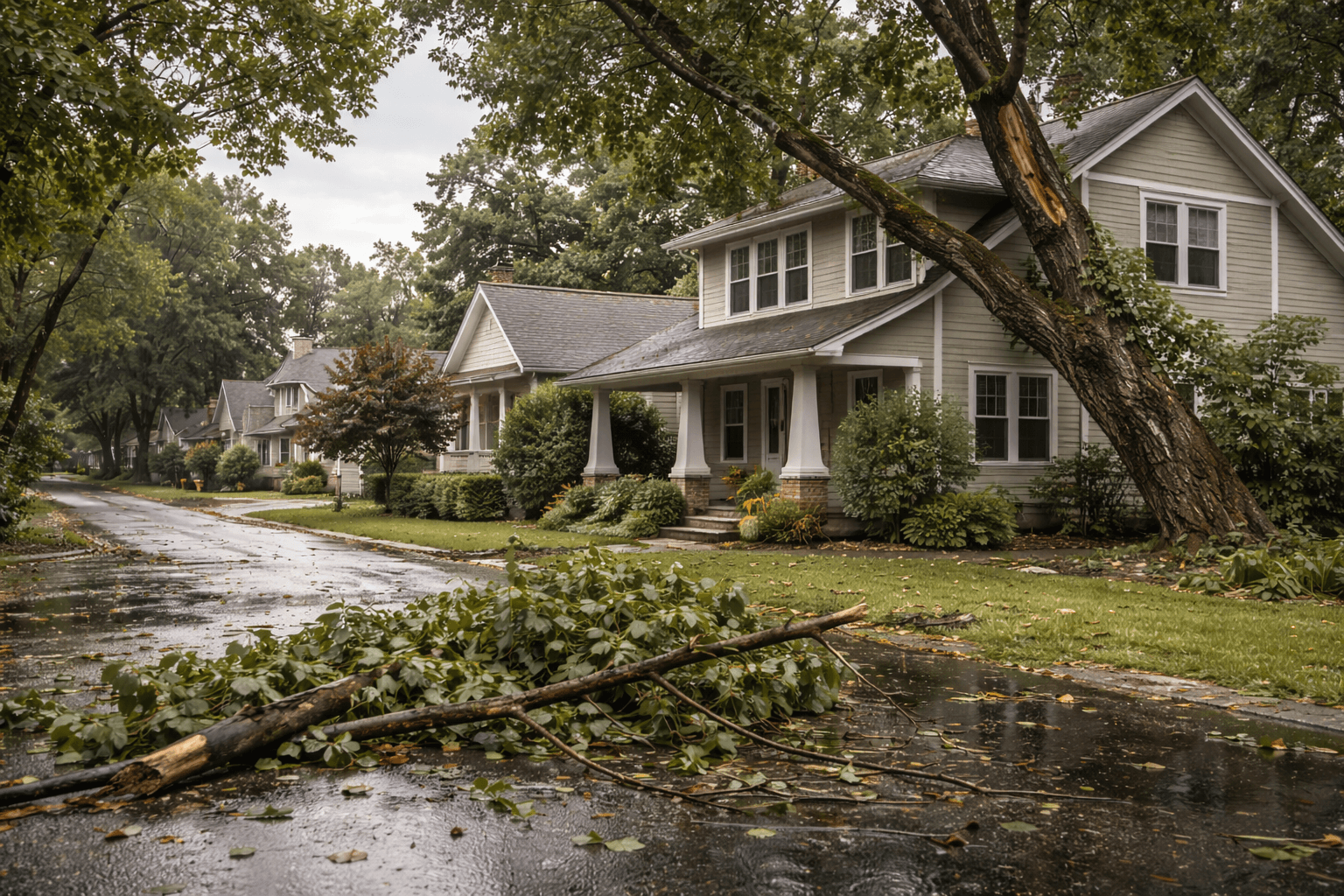
Property age, location exposure, and unresolved condition issues are common reasons buyers get worse coverage terms than expected.
What buyers evaluate versus what insurers evaluate
- Monthly payment, finishes, layout, and inspection findings
- Whether the house seems move-in ready
- Whether a rough insurance number looks acceptable
- Age of systems, weather exposure, water risk, and prior-loss probability
- Whether the property can be bound quickly and affordably
- Whether coverage limits or exclusions change the real ownership cost
- Insurance problems often start with property age, location exposure, and claim-prone systems, not with the monthly quote itself
- A house can feel affordable until coverage exclusions, high deductibles, or binding delays show up late
- Insurance review works best before emotions and deadlines make every surprise more expensive
Insurance risk is not just about obvious disasters
Buyers often think insurance problems only arise with severe flood or wildfire exposure. In reality, insurers also react to building age, roof condition, local weather patterns, and cumulative risk signals that make a property more costly to cover.
That is why a property can feel normal in a showing, pass an initial emotional gut check, and still become difficult once insurance conversations get specific. The friction is often hiding in the background rather than in one dramatic headline risk.
Why this becomes a late-stage problem
Insurance questions often surface after buyers are already emotionally and financially committed to the transaction. That timing is what makes them so frustrating.
Earlier screening helps buyers identify whether the address deserves deeper insurance-related follow-up before they are cornered by the clock.
Late escrow is a terrible time to discover that coverage is expensive, limited, or harder to bind than expected. At that point the buyer may already be juggling loan deadlines, inspection decisions, and moving plans.
What to look for before it becomes underwriting friction
A buyer does not need to predict the full policy outcome. They need to know whether the property or location shows warning signs that justify a call to insurance professionals earlier.
That early call can be one of the highest-value due diligence steps in the entire deal. Even a rough conversation can reveal whether the home belongs in the low-friction bucket or the ask-more-questions bucket.
- Older construction and aging major systems
- Coastal, wind, or flood-related exposure
- Permit or renovation uncertainty around prior work
- Stacked risk factors that can affect premium or availability
Treat insurance as part of the ownership-cost picture
Insurance is not just a closing requirement. It is part of the monthly and annual reality of owning the home. A property that stretches the budget with taxes, repairs, and insurance at the same time may be a very different decision from the one the listing first suggested.
That is why buyers should connect insurance risk to the rest of the file. Hazard exposure, deferred maintenance, roof age, neighborhood conditions, and prior work all influence whether the house still fits after the real costs come into focus.
Questions to raise before insurance becomes a problem
- Does the age or risk profile of this home justify earlier insurance review?
- Could weather, flood, or roof-related concerns affect cost or availability?
- Would this property still fit my budget if coverage is more expensive than expected?
Frequently asked questions
Why do insurance issues show up late?
Because many buyers do not investigate insurability until later in escrow, after their attention has focused on the offer, inspection, and financing steps.
Can a property report help with insurance prep?
Yes. It can surface hazard and property-condition clues that tell you when to investigate sooner rather than later.
Should buyers get an insurance quote before they are fully committed?
Often yes, especially if the property is older, coastal, flood-adjacent, or otherwise likely to create underwriting friction. An early quote or conversation can prevent late-stage surprises.
Use EstateScreener before or alongside inspection.
Uncover property history, hidden hazards, ownership cost clues, and seller follow-up questions sooner so your next decision is based on evidence, not momentum.