

800 45th St, Sacramento, CA
Our Sacramento duplex sample is a strong permit-history example because it highlights six permits that were not finalized, alongside older-home repair and hazard context.
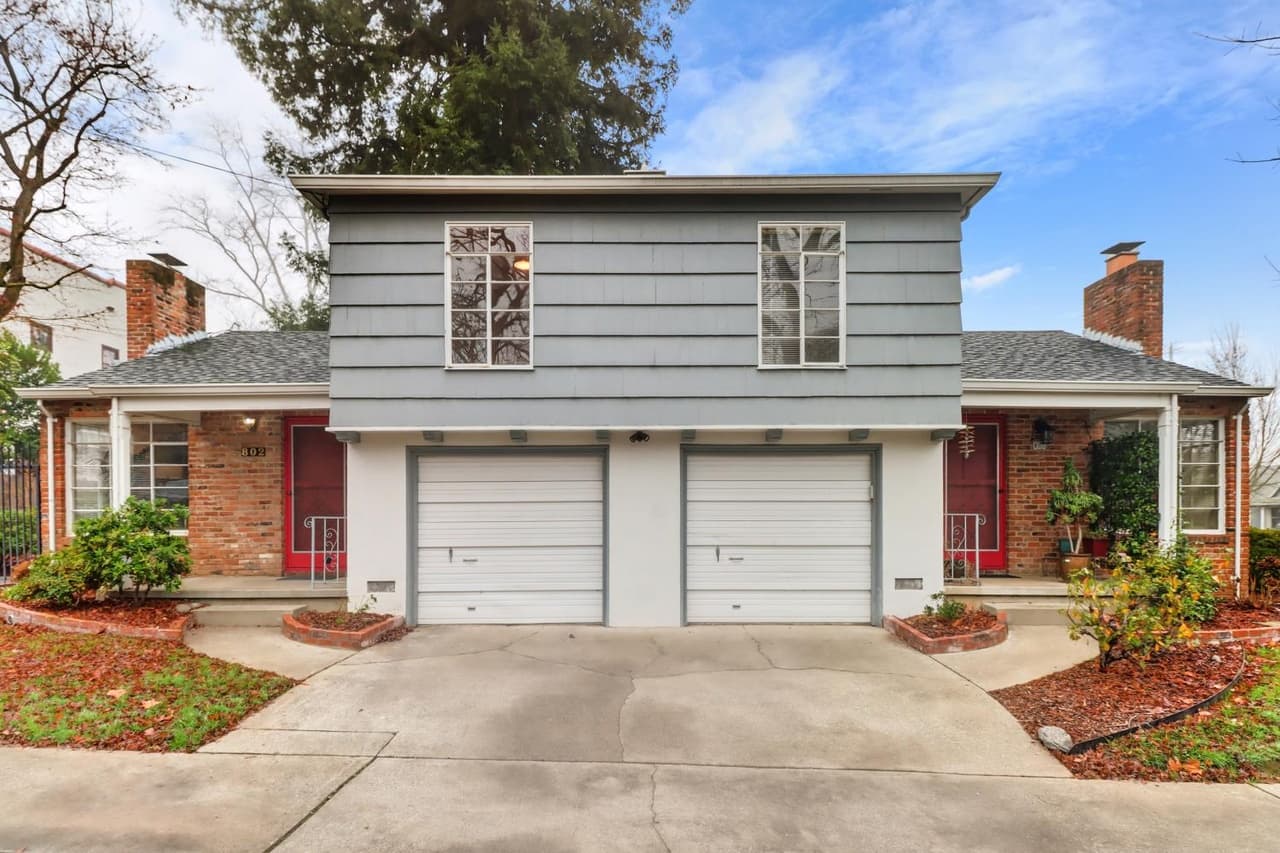
Explore a Sacramento duplex example showing how EstateScreener surfaces property facts, localized risks, and key buyer follow-up checks.
- 6 permits not finalized in the property record
- A 1950 build year that raises the cost of unresolved work
- Estimated repairs that make documentation gaps more expensive to ignore
Permit issues are not just admin details
An unresolved permit can signal unfinished work, missing inspections, or alterations that were never fully signed off. That can matter to lenders, insurers, future buyers, and local code officials.
For buyers, the key question is not simply whether permits exist. It is whether the renovation history is complete, documented, and consistent with what the property is marketing.
Why unpermitted work can become your problem after closing
Once you own the home, you may inherit the cost and hassle of bringing prior work into compliance. That could mean opening walls, updating systems, or paying for additional inspections and corrections.
Even when the issue is fixable, it can still weaken your negotiating position if you discover it too late.
- Financing or insurance friction if the file is incomplete
- Unexpected repair scope when work was done without proper review
- Lower resale confidence when future buyers ask for records
The Sacramento duplex shows why the permit trail matters
In the Sacramento sample report, the unresolved permit count becomes more meaningful because it sits next to other buyer-relevant signals: a 1950 build year, estimated repairs, and additional hazard considerations.
That combination is exactly why a property history screen is useful. It turns a vague concern into a concrete follow-up list before you are too deep into the transaction.
Use permit data to negotiate smarter, not just worry harder
Permit concerns do not always kill a deal. Often they give buyers leverage to ask for documentation, seller repairs, credits, or a revised purchase price.
EstateScreener helps you identify those questions early so your inspection, contractor review, and negotiation strategy all start from better information.
What to verify with the seller
- Which renovations or system upgrades were done under permit?
- Can the seller provide final sign-offs, inspection records, or contractor invoices?
- Were any additions, conversions, or major mechanical upgrades done without permits?
- If permits remain open, who will resolve them before closing?
Frequently asked questions
Do open permits always mean the house is unsafe?
Not always, but they do mean the buyer should slow down and verify what work was done, whether it was inspected, and what still needs resolution.
Can permit issues affect resale later?
Yes. Future buyers, lenders, and insurers may ask the same questions, so unresolved history can become a recurring friction point.
How does EstateScreener help with permits?
It surfaces permit-history signals early so buyers can investigate before inspection, negotiation, and closing decisions are finalized.
Use EstateScreener before or alongside inspection.
Uncover property history, hidden hazards, ownership cost clues, and seller follow-up questions sooner so your next decision is based on evidence, not momentum.