

Good negotiation starts before the inspection report lands
Many buyers wait for inspection to create leverage. That misses opportunities. History, permits, and ownership-cost signals can shape negotiations much earlier in the process.
The buyer who enters escrow with organized facts usually negotiates from a stronger position than the buyer who waits passively for one big surprise to justify a price change.
What turns property history into leverage
Facts matter most when they point to a clear cost, documentation gap, or risk that requires seller clarification. The goal is not to overwhelm the seller with data. The goal is to identify the issues that materially affect value.
- Unresolved permits tied to visible improvements
- Rapid resale timing or inconsistent timeline details
- Tax, repair, or hazard signals that increase ownership risk
Use evidence to stay calm and credible
Buyers negotiate best when they stay specific. EstateScreener helps by turning scattered risk clues into organized follow-up points that are easier to communicate, defend, and prioritize.
That keeps the conversation focused on outcome rather than emotion. Specific records, timelines, and cost clues are much easier to negotiate from than a general sense that something feels off.
800 45th St, Sacramento, CA
The Sacramento duplex sample is a good example because unresolved permits, age-related wear, and expected repairs all create stronger buyer talking points than generic concern ever could.
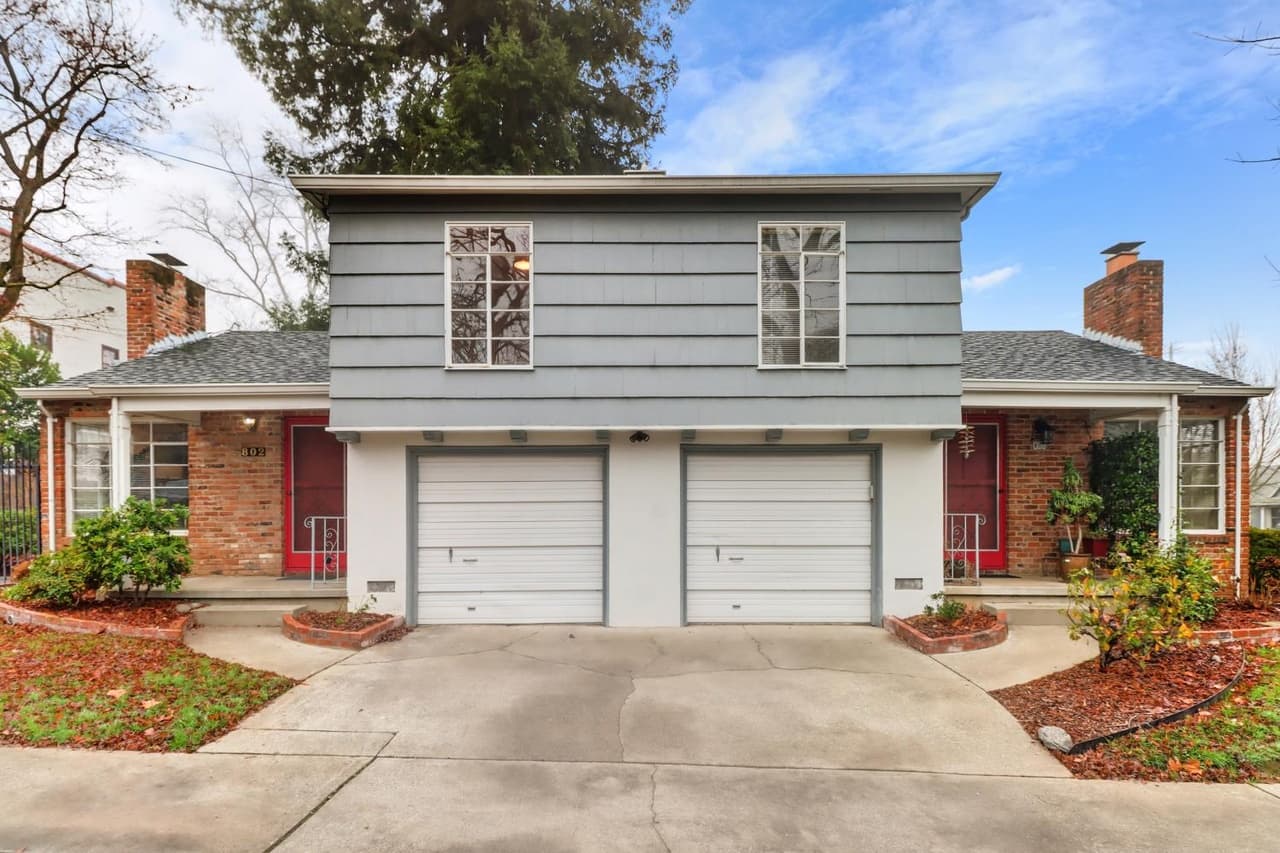
Explore a Sacramento duplex example showing how EstateScreener surfaces property facts, localized risks, and key buyer follow-up checks.
- Unresolved permits that justify seller questions and price pressure
- Repair-cost clues that turn vague concern into real negotiation points
- A stronger fact pattern than waiting passively for inspection alone
Questions that strengthen negotiation
- Which facts materially change the value of this home for me?
- What should the seller clarify, fix, credit, or explain before I proceed?
- Which issues are significant enough to support a revised offer strategy?
Use EstateScreener before or alongside inspection.
Uncover property history, hidden hazards, ownership cost clues, and seller follow-up questions sooner so your next decision is based on evidence, not momentum.